After the Shutters: Leading a Winter Olympus Night Walk That Doesn’t Fall Apart
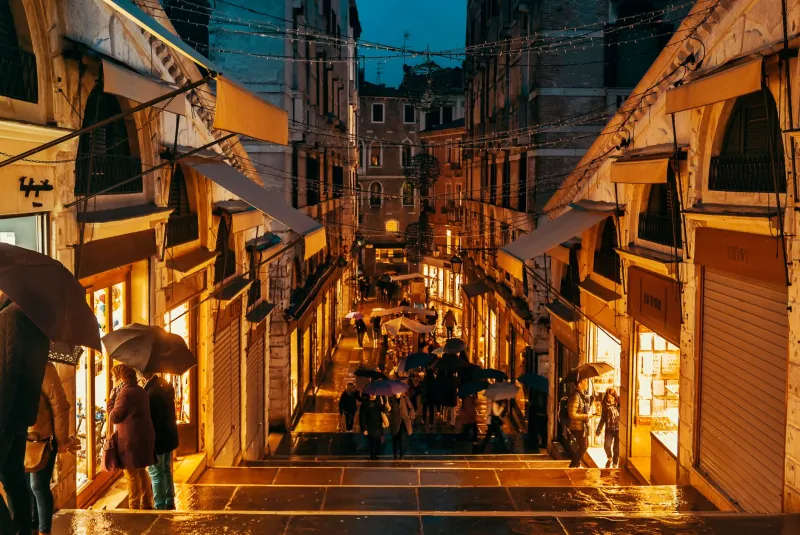
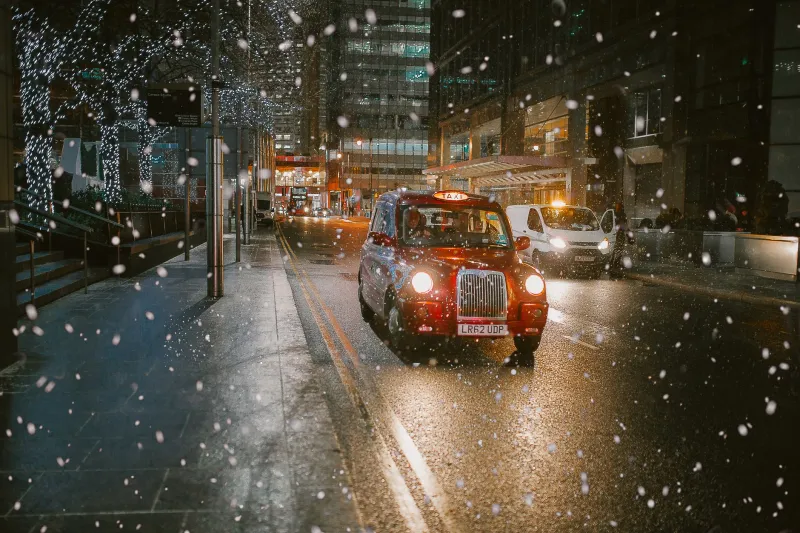
There’s a particular kind of British winter optimism in arranging a photo walk for 4.30pm. The light has already gone, the pavements are slick, and someone will inevitably arrive without gloves. But a market town after dark is also one of the friendliest places to shoot: independent shopfronts, wet cobbles, a church tower lit badly but atmospherically, and a pub with a fire at the end of it. The trick is to treat the evening as a short, well-run field trip rather than a sprawling expedition.
Start with a route people can leave
A winter night walk should be compact. Aim for 90 minutes of actual walking and shooting, with three obvious stops and a clear finish. Market towns are ideal because the centre is usually walkable in ten minutes, but that also means it’s easy to lose half the group down a side alley while everyone chases a different yellow window.
Recce the route in daylight if you can, even if it’s just a lunchtime lap. Note the lit bits, the dark bits, the uneven paving, the steps without handrails and the places where a tripod would block a pavement. In November and December, councils often have Christmas lights up, which is lovely for pictures and awful for exposure consistency. Know where the bright clusters are so you can position them deliberately rather than discovering them mid-frame.
Pick a meeting point with shelter and enough light to see everyone’s face: a market square, a station forecourt, the edge of a shopping centre. Avoid the middle of a road, obviously, and avoid any spot where a dozen people with cameras will obstruct shoppers. Then choose a pub endpoint. Not because photographers are predictable, although we are, but because a warm room with seats gives people permission to stop, review a few frames and ask questions. It also gives the walk a natural end point, which matters when it’s cold and people have trains home.
Keep the group together without turning into a shepherd
Set expectations before the night: it’s a social walk, not a workshop, and nobody gets left behind. Use a WhatsApp group for the meeting pin, the route outline and a “running late” message. On the night, appoint a back marker — one person who is happy to stay at the rear and knows the route. That single role solves most of the drift.
Build in two regroups: one after the first stop and one before the pub. Keep them short and specific. “Meet by the war memorial in ten minutes” works better than “we’ll catch up somewhere.” Ask people to wear something visible — a bright hat, a reflective strip, a bag cover — and bring a small red headtorch rather than a white one. Red light preserves night vision and is less antisocial when someone is composing a shot.
If the group is large, split it. Two groups of eight are easier to manage than one group of sixteen, especially on narrow pavements. Each group needs a leader who knows the route and a back marker. Swap phone numbers. Don’t rely on signal in a town centre on a Saturday night.
Olympus settings for a grey-blue evening
The aim is not to turn night into day. A market town after dark should still look like a market town after dark: warm shop windows, dark sky, wet reflections, the occasional blaze of festive lights. For OM-D and Pen bodies, start simple.
- Exposure mode: Aperture priority, f/2.0–f/2.8 with a fast prime, or f/4 with a kit zoom if you’re happy to push ISO.
- ISO: 1600 as a default, 3200 when needed. The latest OM-D bodies are fine here; older Pen bodies will show noise, but a bit of grain suits the subject.
- Shutter speed: 1/30–1/60sec for handheld street scenes. Use the IBIS and brace against a wall or bollard when you go slower.
- White balance: Auto is fine, but try keeping it slightly warm rather than neutralising all the sodium and LED mixture. The colour is part of the story.
- Focus: Single AF point, small-ish box, and focus on the lit edge of a subject rather than the darkest part of the frame.
For static scenes — an illuminated church, a shop display, a quiet bridge — try Live Composite on OM-D bodies. It builds light trails and keeps highlights from blowing out, and it gives people something to do while standing still. For handheld work, burst a few frames and pick the sharpest later. Tell people to turn off flash unless they’ve asked. A sudden flash in a busy high street is a good way to annoy strangers and flatten the atmosphere.
A three-stop shot list that actually works
Stop one: the high street edge. Start where the town is brightest but not busiest. Shoot shop windows as frames within frames, reflections in wet paving, and the silhouettes of people passing. Give the group a single brief: one wide shot, one detail, one reflection. Ten minutes, then move.
Stop two: the quiet lane or market square. This is where you slow down. Look for lit signs against dark brick, bicycle shadows, a café closing up, the geometry of a market cross. If there’s a church or clock tower, use it as an anchor and let people find different foregrounds. Encourage them to underexpose by a third or two-thirds of a stop to keep the sky deep and the lights rich.
Stop three: the pub approach. The last few frames before the endpoint are often the best: a warm doorway, condensation on glass, a bicycle leaned against a wall, the glow of a bar window on wet stone. Then go inside, order something, and ask everyone to pick their favourite frame on the back of the camera. That little review is where the learning happens.
From walk to gallery without the chaos
A small online gallery is a nice outcome, but keep it simple. Ask attendees to send three to five selects within a week, resized to around 2000px on the long edge, with a one-line caption and confirmation they’re happy to be credited. Set a deadline and stick to it. A shared folder works; a group chat full of full-size JPEGs does not.
Edit lightly. A consistent crop and a gentle contrast tweak will make a mixed set feel like a show. Write a short intro for the gallery: where you went, how many shooters, what the night was like. Credit every photographer by name. If you’re publishing on a site or social account, check permissions again and avoid identifiable strangers in close-up unless you’ve asked.
The best night walks don’t feel like events. They feel like a few like-minded people mooching around a town with cameras, then warming up over a pint and arguing gently about whether the clock tower is better in mono. Plan the route, set the settings, keep the group close, and let the town do the rest.