Behind the Fourth Wall: Village-Hall Theatre on Olympus, Without Becoming the Show
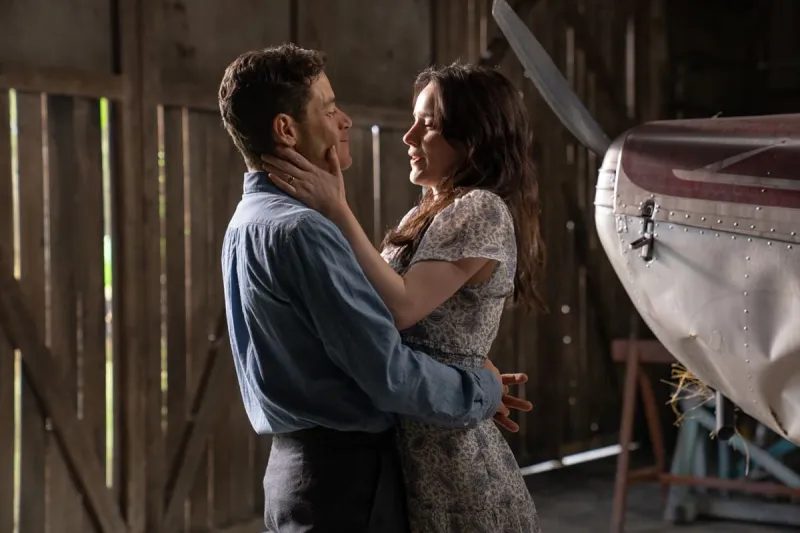
Photo: amateur theatre rehearsal village hall stage lighting actor portrait low light, via dramanavi.net
Amateur dramatics has a particular smell: dust on velour, cheap hairspray, and the faint electrical warmth of a lighting bar that has seen better decades. The light is usually a patchwork of coloured gels, unlit corners and a follow spot operated by someone's uncle. And yet the pictures can be wonderful — full of real faces, real nerves and the sort of unguarded energy you never get at a polished touring show.
The trick is to photograph the dress rehearsal, not the dress circle. Treat the final run-through as your performance. You get repetition, permission and a company that is too busy worrying about cues to mind a quiet photographer at the back. Here is how to make it work with an Olympus kit without turning into the interval entertainment.
Ask first, then disappear
Before you unpack anything, speak to the director and the stage manager. Explain what you want: available-light rehearsal shots, no flash, no movement during quiet scenes, and a clear promise not to publish images of young performers without consent. Village halls and school theatres often have safeguarding rules, and they are not obstacles — they are the reason you get invited back.
On the night, find one spot and stay there. A photographer who creeps along the front row during the death scene is worse than a noisy shutter. Sit behind the audience line or in a designated corner, keep your bag under the seat, and wear dark clothes. If the rehearsal is open to parents, do not chat. The cast needs to hear their cues, not your lens comparison.
Silent shutter is your friend, with caveats
Olympus bodies make this easy: switch to the electronic silent shutter and the cast will barely notice you. But test it first. Some LED stage lighting can band under electronic shutter, and fast dance movement can skew. Take a few frames during the opening number and check the EVF at 100%. If you see horizontal stripes, try a slightly different shutter speed or fall back to mechanical shutter during loud musical numbers, when a little click will be masked.
Silent shutter also changes your own behaviour. You can shoot single frames during tender dialogue without feeling like a nuisance. Use that privilege sparingly. Short bursts of two or three frames are plenty; machine-gunning a school production is not documentary work, it is a nervous tic.
Meter for faces, not for the gel
Coloured light is designed to be seen, not metered. A deep blue wash will fool your camera into overexposing the actor's face, while a hard amber side-light can push skin highlights into plastic. Switch to spot metering, put the spot on a forehead or cheek, and let the shadows fall where they may. In Olympus menus, pairing spot metering with face detection can work well when faces are large enough, but do not rely on it in wide stage shots.
Shoot raw. Stage lighting is a moving target, and you will want room to adjust white balance later. Resist the urge to neutralise every gel completely. A panto villain should look a little green; the fairy godmother can keep her pink glow. Your job is to preserve the atmosphere, not to correct the lighting designer's choices into beige.
Set a sensible ISO ceiling
The OM-1 and newer OM-5 bodies can hold up remarkably well at ISO 3200–6400, especially if you expose carefully and avoid lifting shadows by three stops. Older Olympus bodies are happier at 1600–3200. Decide your ceiling before the show and stick to it. A slightly noisy photograph with expression and timing beats a clean, blurry one every time.
Use manual exposure with auto ISO, keep an eye on the highlight warning, and protect skin tones. Image stabilisation is a genuine asset for handheld work in a cramped hall, but it will not freeze a tap-dance routine. For movement, you need shutter speed: 1/250sec is a good starting point for walking actors, and 1/500sec for dancers. Let ISO rise rather than underexposing and fixing it later.
The small-auditorium lens kit
In a village hall, you are often closer than you think. A 17mm f/1.8 or 25mm f/1.8 is ideal for full-stage tableaux and group scenes from the front few rows. The 45mm f/1.8 is the quiet hero: tight enough for a solo number, small enough to disappear, and fast enough for coloured-gel gloom. If you are further back, the 75mm f/1.8 gives you beautiful reach without a giant white lens drawing attention.
For school musicals with restless staging, a 40–150mm f/2.8 or the compact f/4 version is more flexible than a bag of primes. It lets you follow a child from the chorus to the front of the stage without changing lenses in the dark. Keep a second body if you have one, but do not make the rehearsal about your kit. One camera and one spare lens is usually enough.
Shoot the story, not the set list
Watch the rehearsal before you photograph it. Learn the big entrances, the comic beat, the quiet monologue. Then shoot fewer frames with more intent. The best amateur theatre photographs are rarely the perfectly lit publicity shots; they are the half-second before a line lands, the sideways glance at a missed cue, the chorus member mouthing the words.
Afterwards, send a small, curated selection to the company. Ask before posting anything public. Deliver files promptly, credit the cast and crew, and you will find yourself invited back for the next panto. That is the real long game: not the dress circle, but the dress rehearsal, the trust, and the pictures that make a village hall feel like the West End for one night.